Kenya's construction sector is one of the most dynamic on the African continent. In 2025, a combination of government policy, investor appetite, urbanisation pressures, and technological advancement is reshaping how buildings are designed, built, and managed. Whether you are a developer planning a new project, a contractor positioning for the next wave of tenders, or a homeowner considering building, understanding these trends will help you make better decisions.
Here are the five construction trends that matter most in Kenya this year.
1. Sustainable and Green Building Materials
Environmental consciousness is moving from a nice-to-have to a market expectation in Kenyan construction. The Kenya Green Building Society (KGBS) has seen a steady increase in green building certifications, and developers are responding to client demand for energy-efficient, environmentally sound buildings.
Key shifts on the materials side include:
- Interlocking stabilised soil blocks (ISSB) — compressed earth blocks that require no firing, significantly reducing carbon emissions compared to conventional fired bricks.
- Recycled steel and aggregate — using reclaimed materials to reduce raw material extraction and lower embodied carbon in concrete structures.
- Green roofing systems — planted roof decks that provide insulation, reduce urban heat island effect, and manage stormwater.
- Low-VOC paints and finishes — healthier for occupants and increasingly requested in commercial and institutional projects.
2. Affordable Housing at Scale
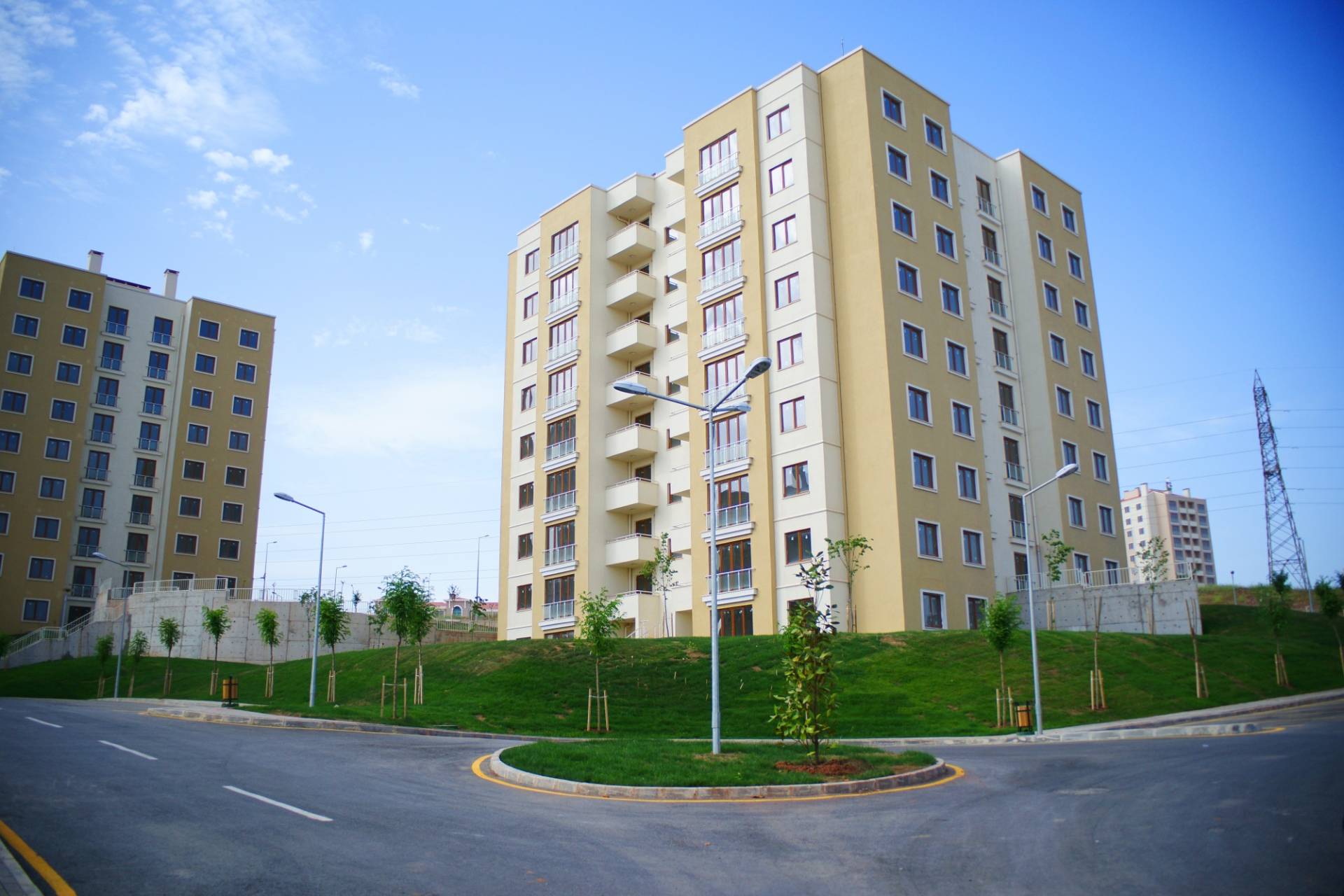
The government's Affordable Housing Programme remains the single largest driver of construction activity in Kenya. With a target of 200,000 units per year, the programme is creating unprecedented demand for contractors, material suppliers, and specialist trades.
For contractors, the affordable housing pipeline presents real opportunities — but it also demands new capabilities. Projects are larger, timelines are tighter, and clients (often national housing agencies) expect digital project reporting, certified workmanship, and scalable procurement systems. Contractors who cannot demonstrate these capabilities will be left out of the programme's supply chain.
"The affordable housing programme is not just a government initiative — it is the largest contractor capacity-building exercise Kenya has seen. Those who rise to meet it will define the industry for the next decade."
3. Smart Home Integration
Smart home technology — once reserved for luxury developments — is becoming mainstream in mid-range residential projects across Nairobi's satellite towns: Kiambu, Ruiru, Athi River, and Kitengela. Buyers increasingly expect:
- Pre-wired conduit for solar PV and battery storage systems.
- Smart metering for electricity and water.
- App-controlled lighting, access, and security cameras.
- EV charging-ready garages in high-end residential developments.
For contractors, this trend means working more closely with electrical and mechanical engineers from the design phase — rather than treating MEP as an afterthought during fit-out. Smart infrastructure is much easier to install during construction than to retrofit later.
4. Digital Construction Management
The days of managing a construction project entirely through a site diary and periodic phone calls are numbered. In 2025, clients — particularly institutional and commercial clients — are asking contractors for real-time project visibility. They want to know the current cost position, the schedule status, and any risks on the horizon — not at the end of the month, but now.
Digital construction management platforms track materials, labour, budgets, and timelines in one place, giving both contractors and clients a single source of truth. Isawil has invested in its own Construction Management System to deliver exactly this level of transparency to our clients. This is fast becoming a differentiator in the market — contractors with these systems win better projects and manage them more profitably.
5. Modular and Prefabricated Construction
Prefabrication is gaining traction in Kenya, particularly for institutional projects where speed is critical and quality must be consistent across multiple units. Schools, clinics, and housing blocks are increasingly built with prefabricated wall panels, precast columns, and modular bathroom pods that are manufactured off-site and assembled on site in a fraction of the time of conventional construction.
The benefits are significant:
- Reduced construction time by 30–50% compared to conventional methods.
- More consistent quality control (factory conditions vs. open-air site).
- Less waste and cleaner site operations.
- Lower dependence on scarce skilled artisans for repetitive tasks.
What this means for you: If you are planning a project in 2025, ask your contractor about their experience with sustainable materials, smart home provisions, and digital reporting. The best contractors are not just builders — they are partners who bring knowledge of these trends to your project from day one.
How Isawil Is Responding
At Isawil Contractors & Traders Co. Ltd, we are actively adapting to each of these trends. Our teams are trained in green building practices, we collaborate with MEP specialists for smart home integration, and we have deployed our own digital Construction Management System to give clients real-time visibility into their projects. We believe that staying ahead of industry trends is not optional — it is part of what it means to be a professional contractor in Kenya today.
Planning a project and want to work with a forward-thinking contractor? Get in touch with us.